I Already Knew the Job
Everyone is learning how to talk to AI. I had been prompting for twelve years — I just called it something else. The proof: the same request, through both interfaces. Six years. Then 25 minutes.
Everyone is trying to learn how to talk to AI.
Courses. Prompt guides. "10 templates that changed my workflow." An entire industry teaching people how to ask a machine for what they want.
I never took one. It turned out I'd been prompting for twelve years. I just called it something else.
Here is what building software with a human developer actually was, for me: I described what needed to happen — every flow, every detail, every screen, every workflow. Then I tested what came back. Then I broke it on purpose. Then I explained how it should actually work. Then I tested it again. When it survived me, it went to work.
My prompts were called specifications. Punch lists. Markups on printed screenshots. Phone calls at 1am that started with "it's doing the thing again."
People think the developer writes the software. The developer types the software. What the software is — which fields exist, what order the screens come in, what happens when a guest loses a ticket in the rain at the busiest hour of the night — all of that was decided before any typing started. I decided it. In English. The developer was my interface to the machine. A skilled, expensive, occasionally tired interface — but an interface.
Four months ago, I swapped interfaces.
Nothing about the loop changed. Describe. Test. Break. Explain. Test again. What changed is everything around the loop — and I can measure it, because I once ran the same request through both interfaces.
Here is the realest example I have. For years I asked my developer for one thing: take the tech language out of the software. My staff don't speak database. My guests don't either. When a valet parks a car, the screen said "Vehicle record created." A record is what the software made. What the valet did was check in a car — so the screen should say "Car checked in." Screen by screen, term by term: find the engineer words, replace them with the words the night shift actually uses.
That request took six years to finish.
Not because the swap was hard. Because that is how the model works: one developer, many clients, and a wording cleanup that was urgent to nobody but me. So my request waited its turn — behind other clients, behind critical fixes, behind vacations.
The six years weren't for the swap. The six years were the queue.
A few weeks ago I gave the CRM I built with AI the same request, almost word for word: scan every screen for tech language, replace it with regular English.
Twenty-five minutes.
Same request. Same English. The difference is the interface on the other end of it. The new one doesn't have other clients. It doesn't have a queue. And it has never once taken a vacation.
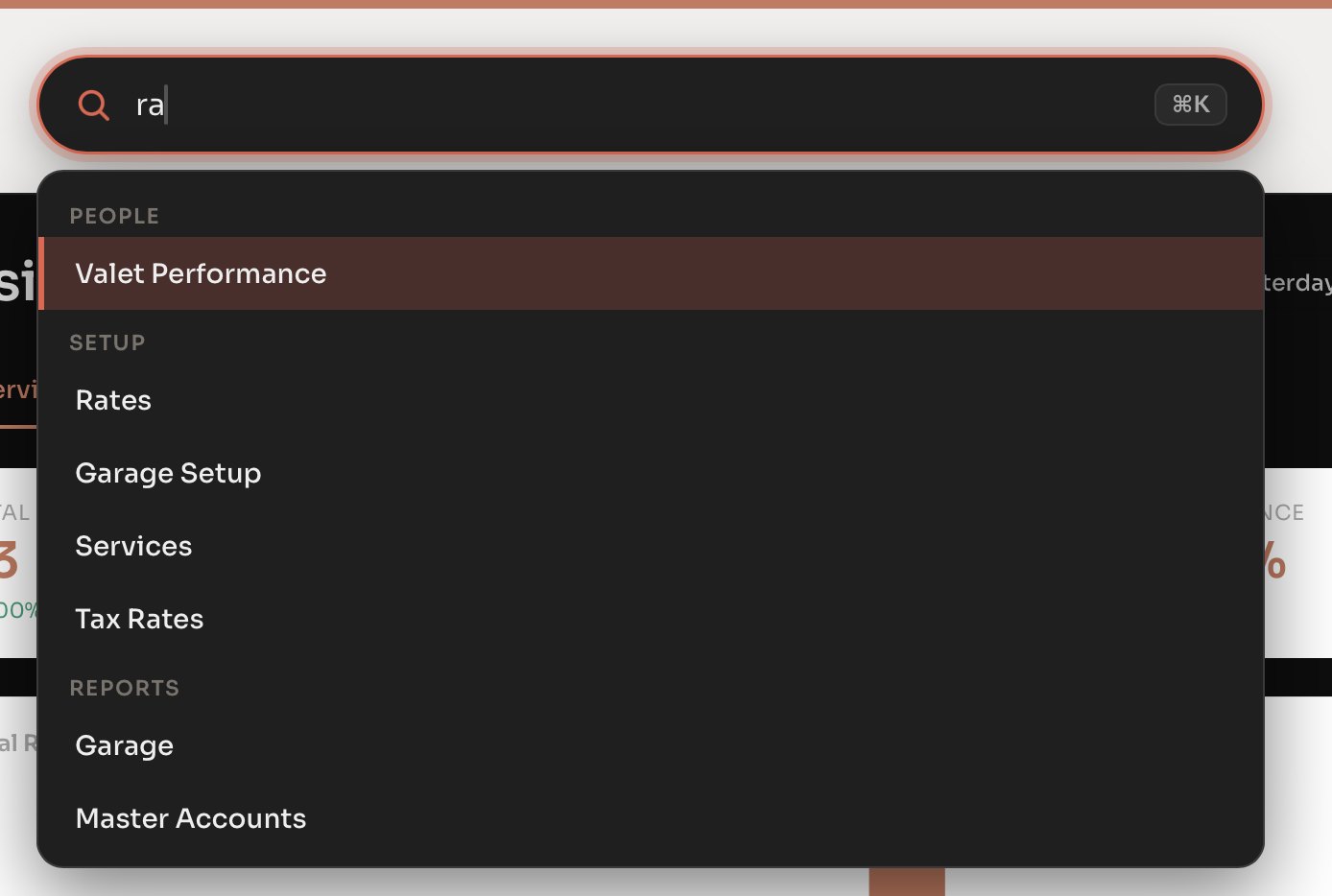
And it didn't stop at speaking my language. The new software listens in it too. At the top of my dashboard there's one search bar: type "rates," "employees," "garage" — your words, the way you'd say them at the podium — and you're there. Nobody memorizes where anything lives. Nobody learns the software's language. For twelve years, the people ran the software. Now the software runs after the people.
So here is the thing nobody selling prompt courses will tell you:
AI didn't lower the bar for building software. It removed the toll booth.
The bar — knowing exactly what needs to happen before anyone builds anything, and recognizing when what came back isn't it — is precisely where it has always been. I had been clearing that bar for twelve years without noticing, because I was too busy paying the toll.
If you run an operation, you clear it too. Every time you explain to a new hire how the job actually works — and then watch them do it, catch what they got wrong, and explain again — you are running my loop. You already know the job. That was always the hard part.
The next episode is what the swap actually costs: with the middleman gone, the worrying lands on your desk. It is the afternoon I spend trying to rob my own software, before anyone else can.
Follow Ground 0 on LinkedIn
The record continues. New episodes weekly.